







Organic Food
Organic Food: A Natural Path to Better Living
Understanding Organic Food
What Makes Food Organic
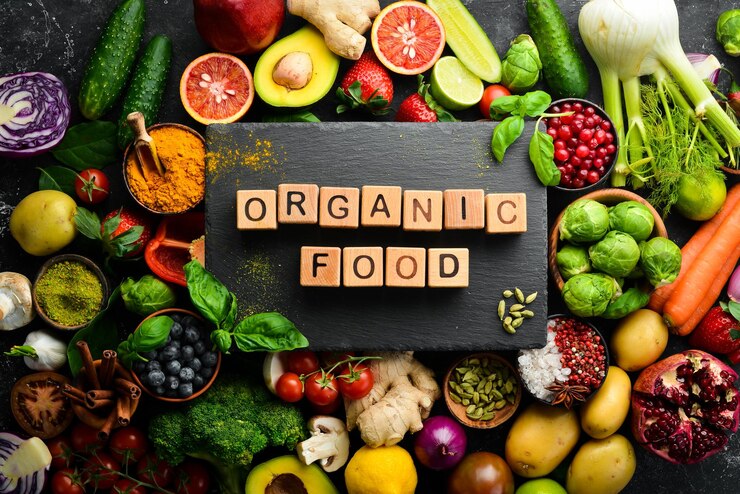
Organic food is produced using natural farming practices that avoid synthetic pesticides, chemical fertilizers, genetically modified organisms (GMOs), and artificial preservatives. Farmers rely on crop rotation, composting, and biological pest control to maintain soil fertility and protect crops. The focus is on working with nature rather than against it.
It encourages mindful eating and a stronger connection to where our food comes from. As consumers become more aware of food quality and safety, Naturally grown products offer trust and transparency in farming practices. Although Farm-fresh food may sometimes cost more, the long-term benefits to health and the environment often outweigh the price. By gradually including Naturally grown options in daily meals, individuals can make a meaningful impact on their well-being and help create a more sustainable food system for the future.
Benefits of Choosing Organic Food
Health Benefits
One of the main reasons people choose Farm-fresh food is health. Organic fruits, vegetables, grains, and dairy products generally contain fewer chemical residues. Many studies suggest that it may have higher levels of certain nutrients and antioxidants. By consuming organic products, people can reduce their exposure to harmful chemicals and support a cleaner, more balanced diet.
Environmental Benefits
Organic farming is better for the environment. It helps improve soil structure, reduces water pollution, and lowers carbon emissions. By avoiding synthetic chemicals, organic agriculture supports biodiversity, including beneficial insects, birds, and microorganisms. This sustainable approach helps preserve natural resources for future generations.
Organic Food and Sustainable Living
Supporting Farmers and Communities
Buying organic food often means supporting local farmers and ethical farming practices. Organic farms tend to promote fair labor conditions and responsible land use. This strengthens rural communities and encourages a more transparent food system.
Conclusion
Farm-fresh food encourages mindful eating and a stronger connection to where our food comes from. As consumers become more aware of food quality and safety, organic products offer trust and transparency in farming practices. Although Farm-fresh food may sometimes cost more, the long-term benefits to health and the environment often outweigh the price. By gradually including organic options in daily meals, individuals can make a meaningful impact on their well-being and help create a more sustainable food system for the future


1 Comment
Dushyant Chaudhary
February 10, 2026good